Revolutionizing Recovery: AI's Impact on Stroke Rehabilitation
The Current Landscape of Stroke Rehabilitation and the AI Promise
Stroke survivors often face persistent disabilities, making personalized and dynamic rehabilitation crucial for recovery across various domains like motor skills, cognition, communication, and daily activities. However, existing rehabilitation methods are largely constrained by periodic assessments, dependence on clinical experience, and uneven resource distribution. These limitations mean that the unique aspects of each patient's condition, such as lesion characteristics, initial functional status, co-morbidities, and diverse recovery trajectories, are not fully addressed. Moreover, access to specialized rehabilitation is often hampered by geographical barriers and varying service capacities, leading to inconsistent follow-up.
AI's Expanding Horizons in Post-Stroke Care
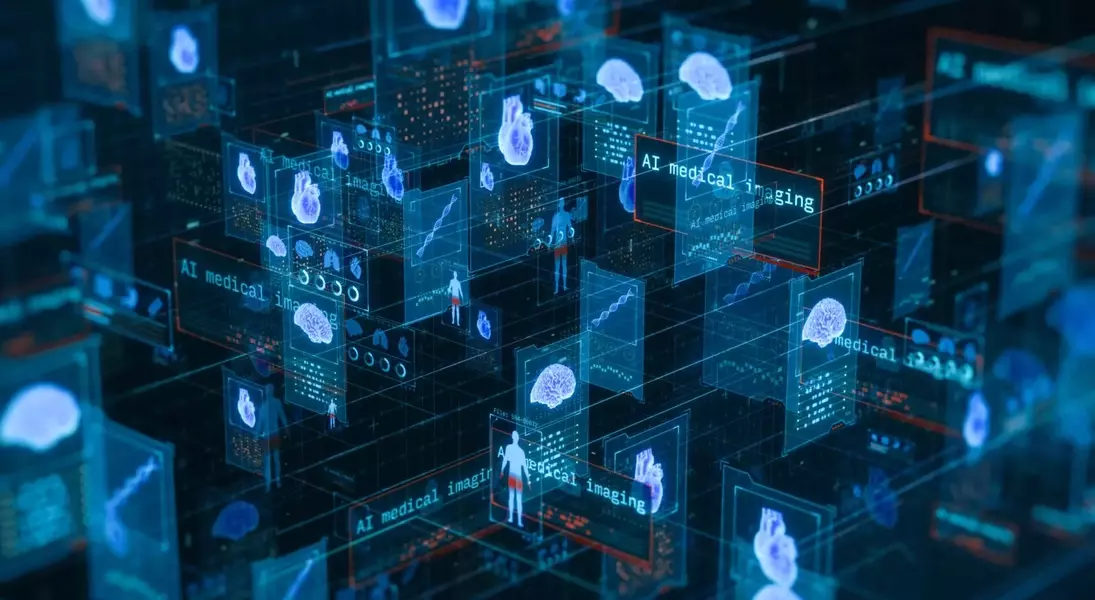
The application of artificial intelligence in stroke management is rapidly expanding, encompassing various stages from initial imaging and early prognosis to rehabilitation outcome prediction. AI is also instrumental in refining movement and physiological assessments, enhancing robot and virtual reality-assisted training, and developing advanced brain-computer interfaces. Furthermore, wearable technologies and telerehabilitation platforms are leveraging AI to offer more adaptive, continuous, and accessible care. This broad integration of AI presents significant opportunities to personalize and improve rehabilitation strategies.
Rigorous Evaluation of AI in Rehabilitation: A Methodical Review
A comprehensive narrative review was conducted, employing a structured approach to scour leading academic databases like PubMed/MEDLINE, IEEE Xplore, Web of Science, and Scopus. The search focused on studies published between January 2010 and March 2025, specifically those exploring AI's role in stroke rehabilitation. Following a transparent PRISMA-style selection process, which included deduplication, title/abstract screening, and full-text assessment, 108 relevant publications were identified and included in the thematic synthesis. Researchers meticulously extracted data on study design, AI methodologies, sample sizes, rehabilitation domains, outcomes, model performance, validation techniques, and identified limitations. The findings were categorized into four main areas: AI for predicting rehabilitation outcomes, for assessment and monitoring, for therapeutic interventions, and for integration with advanced technologies such as robotics, virtual reality, brain-computer interfaces, wearables, and telerehabilitation. A critical distinction was maintained between acute diagnostic/prognostic evidence and rehabilitation-specific outcomes, with each application evaluated based on validation quality, clinical relevance, and implementation challenges.
AI-Powered Prognosis: Predicting Functional Recovery Post-Stroke
A significant application of AI in stroke rehabilitation involves forecasting future functional recovery. This is achieved by analyzing diverse data points including clinical scales, imaging results, electroencephalography (EEG), wearable sensor data, and demographic information. Research has focused on predicting outcomes such as 90-day functional status, improvements in Barthel Index scores, motor function, language and cognitive recovery, quality of life, and long-term mortality. Machine learning, deep learning, and explainable AI models are utilized to uncover factors influencing recovery trajectories. While acute imaging and early prognostic models provide foundational insights into lesion severity and treatment response for initial rehabilitation planning, rehabilitation-specific predictions directly focus on changes in motor function, daily living activities, patient engagement, and self-reported outcomes over time. However, many studies are retrospective, involve small cohorts, or are single-center, primarily relying on internal validation. The broader, independent, multicenter external validation and prospective clinical impact studies necessary to confirm AI's benefits in improving rehabilitation outcomes are still scarce. Thus, while high predictive accuracy is promising for risk stratification, it does not automatically guarantee superior rehabilitation results.
Automated Assessment and Continuous Monitoring in Stroke Rehabilitation
Artificial intelligence is increasingly being deployed to automate the assessment and continuous tracking of motor function, posture, gait, and overall rehabilitation progress in stroke patients. This technology serves as a powerful complement to traditional clinical scales and intermittent follow-up appointments. Current systems integrate data from EEG, electromyography (EMG), wearable sensors, and motion tracking, along with home-monitoring data, to precisely quantify movement patterns, evaluate exercise quality, and observe functional changes. Machine learning algorithms can identify abnormal movements and estimate clinical motor scores with remarkable accuracy. Furthermore, wearable and remote monitoring solutions extend assessment capabilities into patients' homes, providing valuable longitudinal data on adherence to rehabilitation protocols and progression. Despite these advancements, many studies are still focused on technical viability, classification accuracy, or short-term surrogate outcomes, often involving small sample sizes, single-center datasets, and limited independent external validation. The diversity in devices, data formats, and assessment schedules also poses challenges to generalizability. Future efforts must therefore prioritize the establishment of standardized outcome measures and data pipelines, along with multicenter, long-term, prospective studies to definitively ascertain whether AI-based monitoring can effectively enhance rehabilitation decision-making and patient outcomes.
AI-Enhanced Therapeutic Interventions and Management for Stroke Rehabilitation
Beyond prognosis and monitoring, AI is making strides in supporting rehabilitation adjustments and the integration of assistive technologies for stroke recovery. Contemporary approaches leverage AI to dynamically tailor training intensity, task difficulty, and feedback frequency, adapting them to patients' motor performance, cognitive status, and data from various sensors. This involves integrating AI with rehabilitation robots, virtual reality platforms, brain-computer interfaces (BCIs), wearable devices, and telerehabilitation systems. Robotic systems offer standardized assisted movements, virtual reality provides immersive and interactive task practice with augmented feedback, and BCIs enable the control of external feedback or assistance using neural signals, particularly for patients with severe voluntary movement limitations. However, these technologies largely serve as adjuncts to traditional rehabilitation, with much of the supporting evidence stemming from small-scale, short-duration, and exploratory studies. Robust evidence demonstrating their superiority over conventional rehabilitation remains limited. A critical future direction involves developing patient-centered, closed-loop systems. These systems would combine clinical data, imaging, EEG, EMG, and wearable sensor data to continuously adjust robotic assistance, extended-reality tasks, and remote feedback, all while ensuring clinical oversight, interoperability, cost-effectiveness, and seamless integration into routine rehabilitation workflows.
Overcoming Hurdles in AI Implementation for Stroke Rehabilitation
Despite the promising potential of artificial intelligence in predicting outcomes, assessing progress, and aiding interventions for stroke rehabilitation, its clinical adoption faces significant challenges. Rehabilitation datasets are frequently small, diverse, and inconsistently sampled, making the standardization of multimodal clinical and sensor data difficult. This heterogeneity increases the risk of overfitting and limits the generalizability of AI models across different institutions. Furthermore, the inherent "black-box" nature of complex AI models can impede clinical interpretability and trust, highlighting that enhanced predictive accuracy alone does not guarantee improved treatment decisions or better patient outcomes.
Ensuring the Future of AI in Stroke Rehabilitation: Addressing Key Considerations
The widespread use of wearable monitoring, home rehabilitation, and remote care platforms also brings to light crucial concerns regarding privacy, data security, information sharing, and device reliability. Future research endeavors must prioritize multicenter external validation and rigorous prospective clinical trials. The focus should be on developing truly closed-loop rehabilitation systems that seamlessly integrate clinical information, imaging data, EEG, EMG, and wearable sensor data to dynamically adjust robotic assistance, extended-reality training, and remote feedback. Crucially, greater attention to explainability, interoperability, cost-effectiveness, and fairness will be essential, ensuring that AI serves as a valuable adjunct to comprehensive multidisciplinary care, rather than a substitute for skilled clinicians.